

Coach of the Month: Gavin Burren
Known for putting people before performance, Gavin Burren is our Coach of the Month for the way he creates safe, inclusive environments where athletes feel genuinely supported, on and off the track. From recreational runners to Olympians, Gavin’s impact is felt not just in results, but in retention, wellbeing, and a renewed love for the sport.
Athletes often describe you as the “glue” of the group, what do you do to build such a positive, connected training environment?
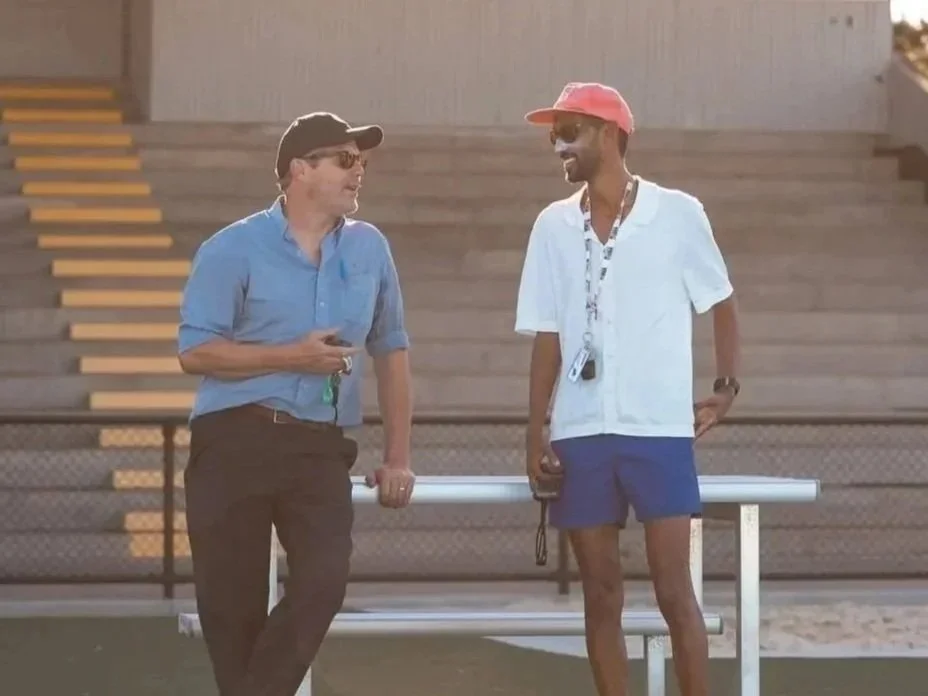
I think turning up every day is vital, as simple as that sounds if you’re not present either in the field or online the connection with your athletes will be less productive. Creating an environment or culture that people want to be part of is also critical.
If the process isn’t enjoyable, especially given how physically and mentally demanding it is, it isn’t sustainable. I try to be as encouraging as possible and create pathways to athletes’ goals, this will work if my goals align as well.
How do you individualise coaching across a wide range of athletes without losing squad culture?
It can be challenging when there is a wide range of abilities in a group, but I think diversity can help keep everyone grounded and create a collaborative environment. Everyone should have the same goal, to get better. Realizing that it’s very difficult to achieve this without support of teammates is an important lesson to learn.
Athletes describe you as more than a coach. How do you balance mentorship with your coaching role?
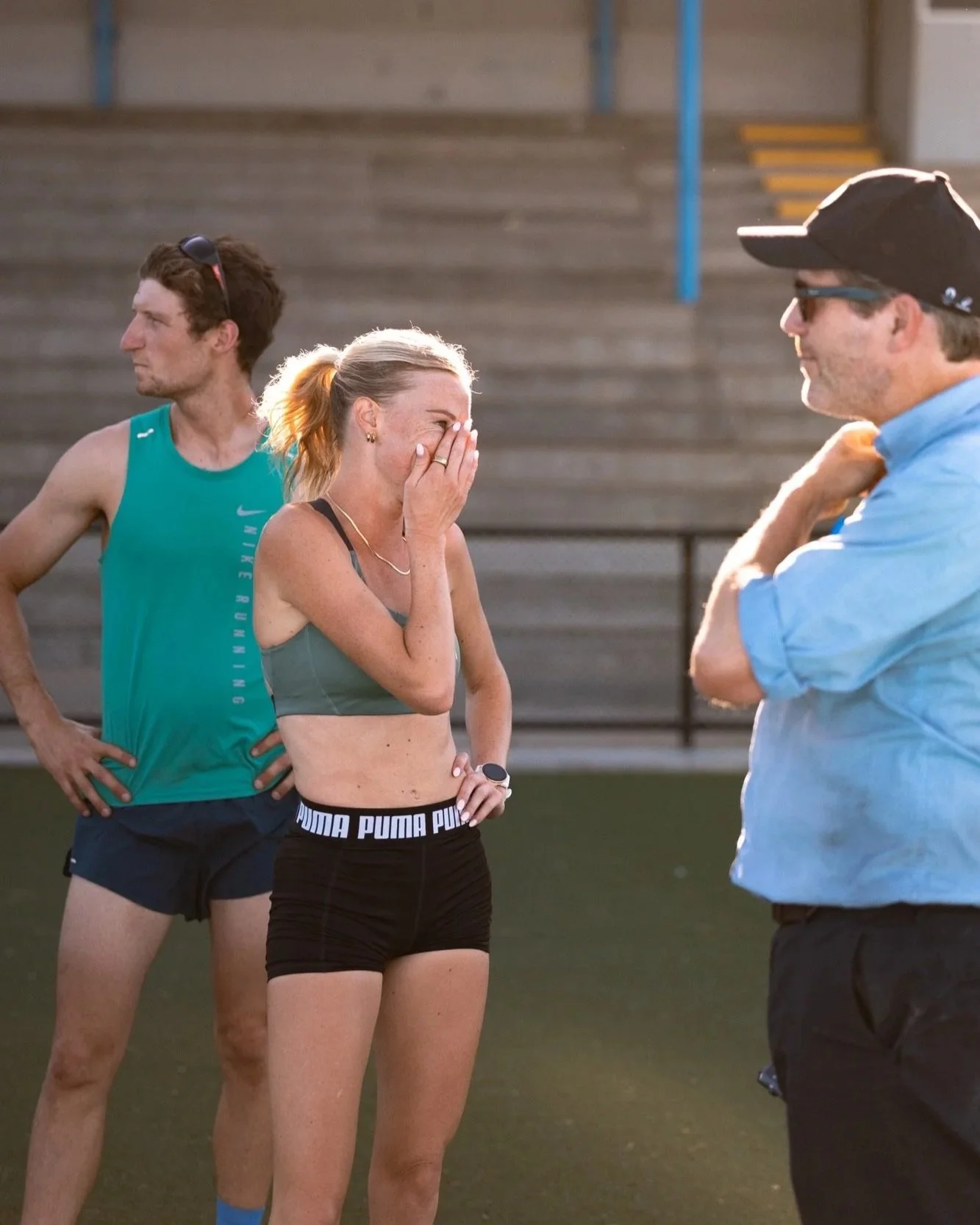
I think that my style of coaching, when it’s successful, is usually due to a relationship or partnership that gets formed between myself and the athlete. That’s when I feel I can make things happen. There needs to be buy in from both sides to achieve this.
That invariably means getting to know people and understanding what makes them tick and you can only learn so much about people by watching them run. I’m a running coach that helps people try to run faster sometimes that means helping people navigate through things around the running if they are getting in the way.
How do you keep athletes engaged and enjoying the sport long term?
I think you see a lot of people that want “success” quickly and they usually don’t stay in the sport for the long term. Then some people find a way to make running a bigger part of their life, a lifestyle, these people usually hang around even when they stop running and become officials or coaches, like me. Ultimately, it’s about relationships and common goals.
Many athletes credit you with keeping them in the sport. What signs tell you an athlete is struggling, and how do you balance wellbeing with performance demands?
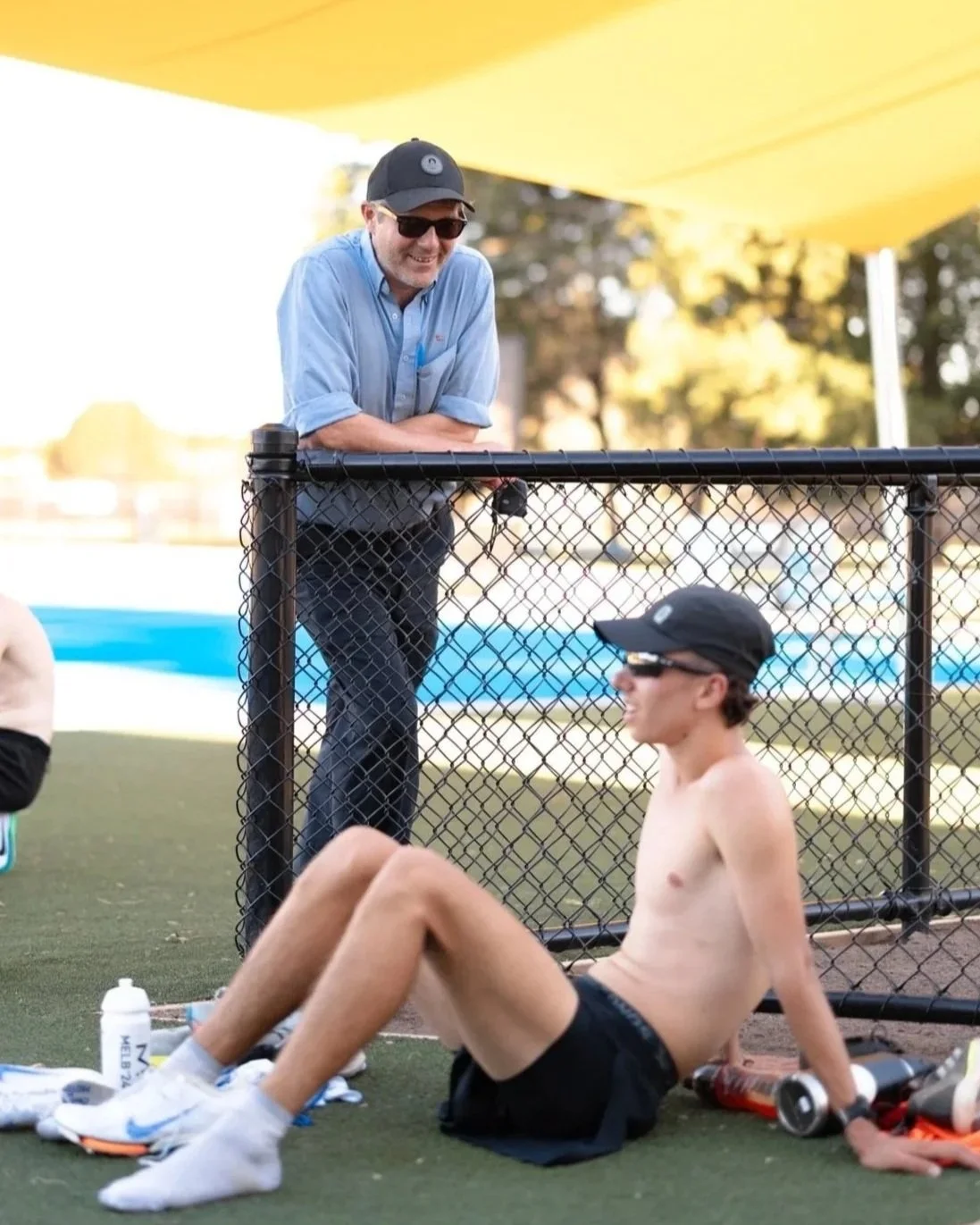
It’s a very challenging period when things aren’t going well, say with an injury, that’s when staying connected, developing a plan and creating a timeline is important. In a perfect world you avoid these situations, but the nature of the sport is demanding.
In most cases I would say “get fit before you train hard” most people “Train hard to get fit” so building a program around the athlete’s capabilities and goals need a fair bit of consideration. Then the athlete must trust this ideology.
The athletes can’t keep smashing themselves its hard physically and mentally and this sport does have a “grind” mentality around hard work paying off which isn’t realistic or sustainable in the long term in my opinion.
Athletes say happiness matters more to you than PBs. How do trust and connection support performance?
Don’t get me wrong I’m results driven, but they come through trust and team work. I’ve had athletes that haven’t “trusted ‘my training and they found a new home.
You’re deeply invested in your athletes. How do you balance care for others with sustainability as a coach?
If you love what you do, then it’s not a chore. Again, relationships are key for coaching especially with partners, family and employers. I am very blessed in this department with my wife, Jo, and the kids fully supportive.
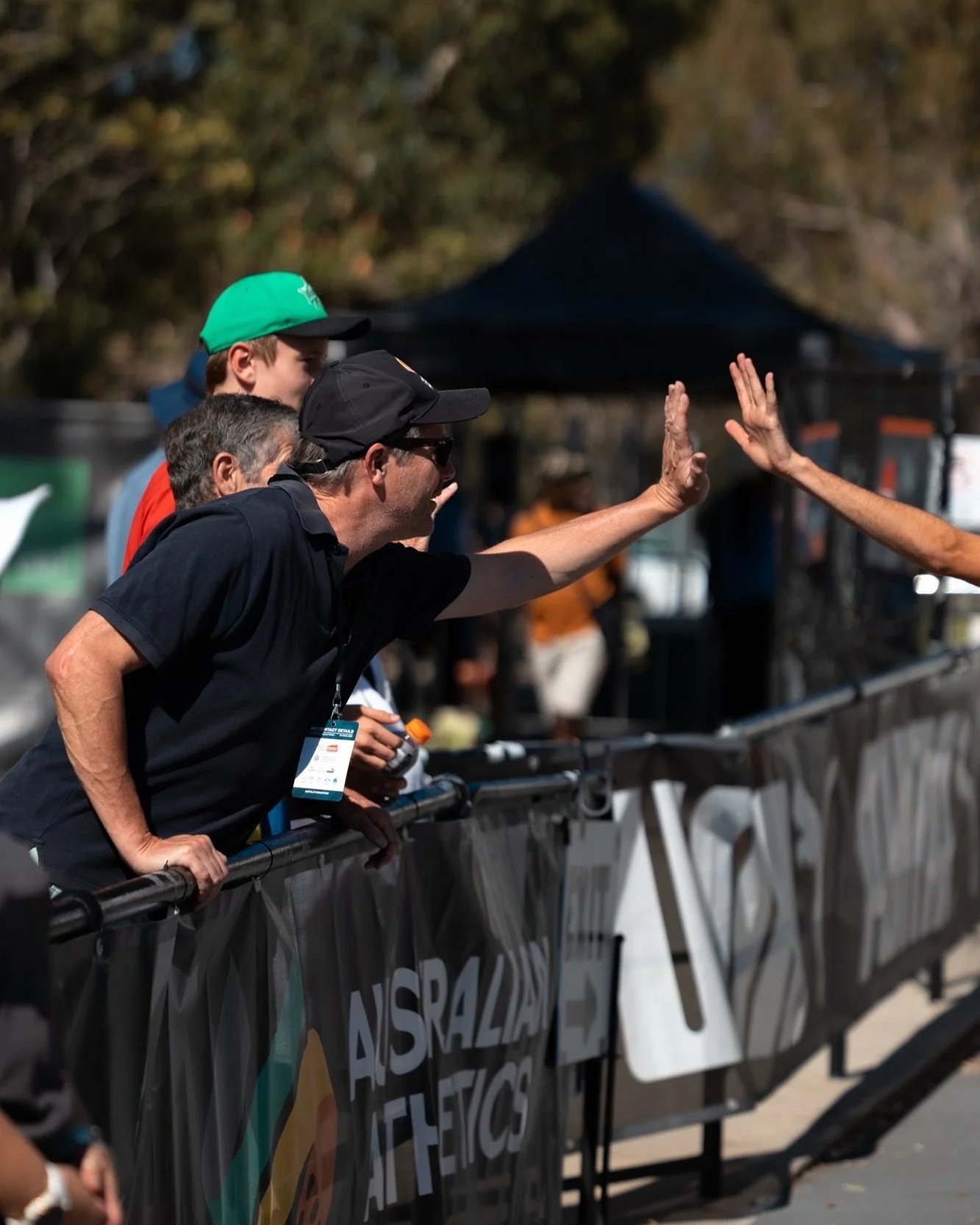
What do you think coaches can do to ensure high standards don’t come at the cost of humanity?
Geez the cost of humanity sounds heavy!! Yes, High Performance is demanding and can be intimidating and feel like everything is on the line. It’s important to frame up the goal and the outcomes around the process and I feel like this can break up the goal into achievable tasks. It’s also hard to forget why your there in the first place and can easily forget to enjoy the journey.
I’m not going to lie it stings when it doesn’t come together but knowing you gave it your best, from the planning stage through to competition all you can do is review it, accept where we didn’t succeed, recognize where we did and start planning on how to be better next time.
What’s the best way for people to reach out to you?
I coach out at Knox Athletics Club and my group name is Eastern Track Club so people can find me online (instagram) or on the AA coaches list.