

Throws
Free articles and resources for discus, shot put, javelin, and hammer throw coaches.
Featured



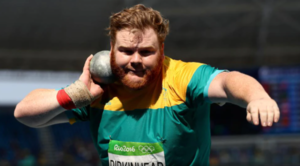
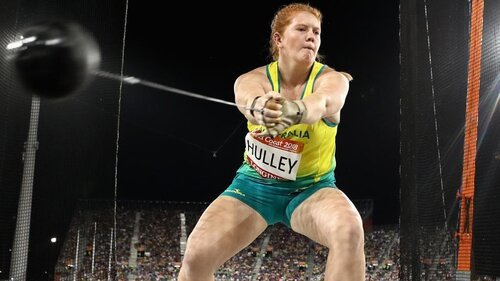


Free articles and resources for discus, shot put, javelin, and hammer throw coaches.
More strength, more speed or more throws, which will actually help your athlete improve? This practical guide explores how rotational shot put, discus and hammer coaches can combine technical practice, strength, power and implement variations into a purposeful programme.
This article explains the stretch shortening cycle and why it matters for sprinting, jumping, and throwing, then we outline a simple five stage progression from capacity and isometrics through to event specific speed and high intensity reactive work, with practical exercise examples for athletics coaches.
Which is better for shot put…the glide or the rotation? This deep dive compares the two techniques across athlete types, performance outcomes, biomechanics and coaching priorities. From youth development to elite competition, we explore how physical qualities like strength, coordination and mobility shape the best technical fit.
The rotational shot put isn’t just about raw power—it’s about precision, sequencing, and controlled energy transfer. In this in-depth guide, we break down the six key phases of the throw, highlighting essential coaching points, optimal body positions, and common technical errors.
The Circular Throws (Discus, Shot Put, and Hammer) are events demanding a blend of strength, timing, coordination, and technique. To optimise performance in these disciplines, coaches shouldfocus on key technical elements, phases of movement, and biomechanical principles. This article looks at the core coaching concepts and unique considerations for each throw, with insights derived from elite throwers and supported by biomechanical research.
Scott Martin speaks to us about the challenges of coaching throws at the various levels of the sport and will hopefully encourage more club-level coaches to specialise in coaching the throws events.
Throws coaching expert Peter Taylor shares an overview of the glide technique with coaching points and common faults.
This article looks at the vital pre-competition phase of training for throwers, providing information about technique oriented training, converting overall physical capacity into specific explosive power and examining the importance of intensity, control, and the correct psychological approach.
Part 2 of Peter Taylor’s guide for coaching the Hammer Throw. This section icludes coaching advice, drills, common faults, and corrections.
Peter Taylor shares five critical teaching points, coaching cues, and training exercises for coaching the Hammer and introducing the correct technical model.
While coaching the throws for over 35 years, I have had the honor of coaching both successful rotational throwers and successful glide throwers. I have spoken about the glide at several track clinics around the country and, when I do, I seem to spend most of the time speaking about the power throw (stand throw). The actual glide never seems to get the attention it deserves.
In the shot, discus, javelin and hammer, the best release angle is lower than 45°, and every thrower’s is different. Explore the flight simulator, sector view and research for each event, plus implement weights for every age group.