

Velocity-Based Strength Training: A Track and Field Perspective
Written by Lance Faulkner as part of the Level 4 High Performance Coach accreditation.
Strength training is widely recognised as a critical component of high-performance athletic programs. Traditionally, exercise intensity has been prescribed relative to an individual’s maximal strength level, as measured by a one-repetition maximum (1RM) (Sheppard & Triplett, 2015). This approach fails to account for the rate of force development, technical proficiency, and daily fluctuations in performance. These variables create the need to adjust training sessions in response to acute and chronic neuromuscular fatigue. An increasing body of evidence further suggests that how a load is lifted—encompassing factors such as intent, velocity, and technical skill—may be more influential than absolute load itself (Comfort, et al., 2023). A persistent challenge within strength training for sport is determining whether improvements in physical qualities such as strength and power effectively transfer to on-field performance (Young, 2006). To address these limitations, many coaches and sport scientists are increasingly adopting velocity-based training (VBT) as a more precise and adaptable method of prescription and monitoring. VBT involves measuring barbell velocity to ensure that the intended training adaptations (e.g., neuromuscular, musculoskeletal) are being achieved. These data enable practitioners to more accurately prescribe the most appropriate variables—sets, reps, resistance, tempo, and recovery (Weakley, et al., 2021). In addition to improving prescription accuracy, VBT can be used to assess when to terminate a set (Włodarczyk, Adamus, Zieliński, & Kantanista, 2021), substantially reducing accumulated fatigue and improving the quality of subsequent running or sport-specific sessions (Pérez-Castilla, et al., 2024). This review aims to critically examine the application of velocity-based training within strength and conditioning, with particular emphasis on its role in enhancing performance transfer in track and field athletes. This challenge is particularly relevant in track and field, where event-specific performance depends on the precise expression of force and velocity within extremely short time windows.
Force–Velocity Curve in Athletic Performance
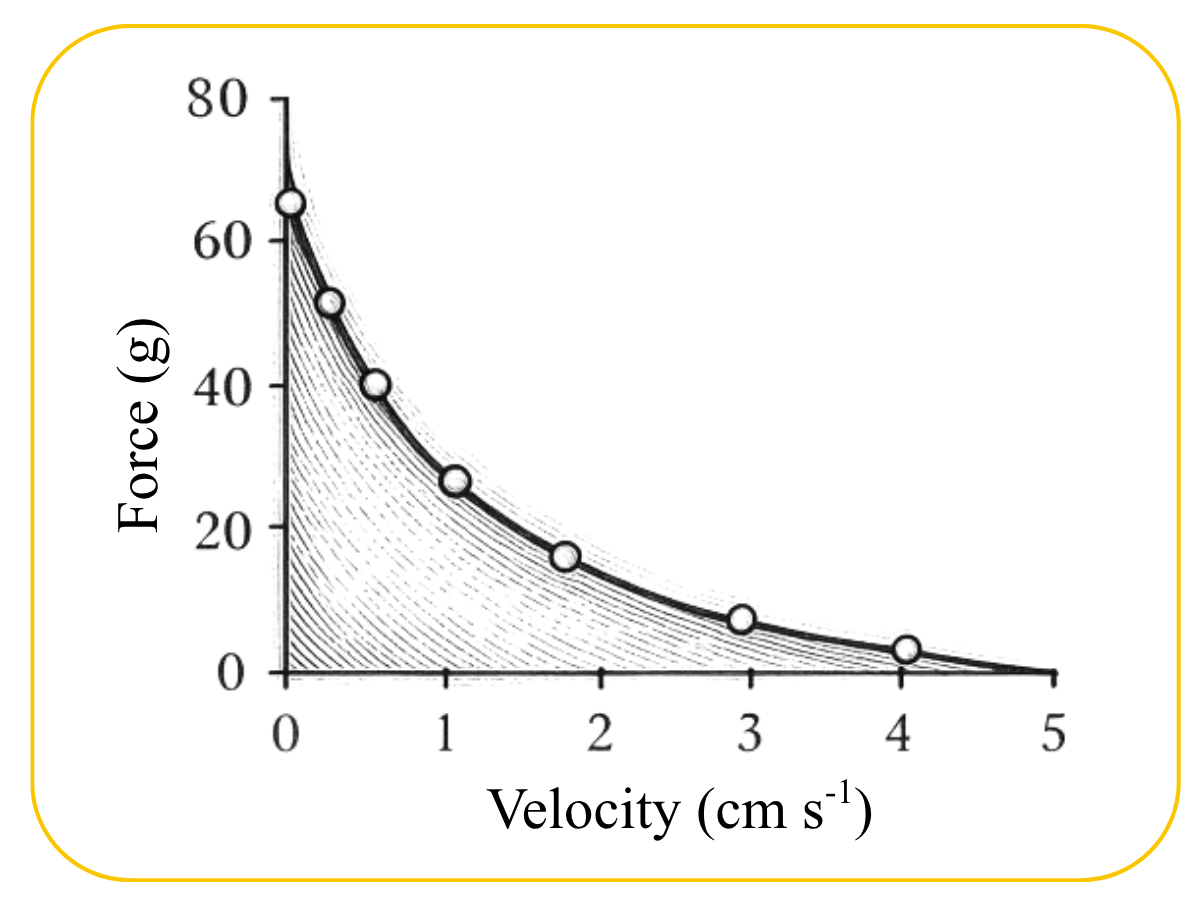
Figure 1. Force-velocity curve. Adapted from Alcazar et al. (2019).
The force-velocity curve (FV curve) describes the inverse relationship between the force a muscle can produce and the concentric contraction velocity (Alcazar, Csapo, Ara, & Alegre, 2019). The relationship typically takes on a hyperbolic shape. At a velocity of zero, maximal force (Fmax) is produced because an isometric contraction allows the muscle to express its highest force. The lowest force occurs at the highest velocity due to less efficient cross-bridge kinetics; fewer cross-bridges can form because attachment time decreases. Figure 1 illustrates this relationship (adapted from Alcazar et al., 2019, p. 4). There are several factors that affect the FV curve such as muscle architecture, fibre type distribution, neural drive to the muscle, and training history. All factors must be considered when assessing and programming for sports performance.
When assessing the FV curve, it is important to understand the purpose of the assessment and the intended use of the data, such as to create a profile for talent identification or to measure training adaptation (Alcazar, Csapo, & Alegre, 2022). This depth of understanding allows the assessment to capture the required information in the correct context. In a research context, the use of an isokinetic dynamometer to measure knee flexion and extension would be appropriate. However, in the field this is more appropriately assessed using an isometric mid-thigh pull (IMTP) to capture Fmax capacities. Higher velocity force characteristics are better assessed with a squat jump (SJ) if concentric power is the focus, or a countermovement jump (CMJ) if the stretch-shortening cycle (SSC) is the focus, due to the rapid drop in centre of mass prior to the jump. Additionally, track and field performance relies on the SSC (Booth & Orr, 2016), making the CMJ the more appropriate test for track and field in most cases.

It is important to understand that the FV Curve doesn’t develop in isolation, an improvement in one-part leads to improvement in other parts of the FV Curve (Cormie, McGuigan, & Newton, 2011b). An example of this is that improvements in Fmax, will lead to improvements in velocity, however these high velocity improvements will be limited (Wilson, Murphy, & Walshe, 1993). Even though there are limited improvements at the velocity end of the training FV Curve with strength training targeting Fmax improvements the same authors make a case for still including heavy load low velocity training in the program due to what they described as “curve transfer”. To support this many other authors (Suchomel, Nimphius, & Stone, The importance of muscular strength in athletic performance, 2016), (Haff & Nimphius, 2012) suggest that Fmax is a very important part of developing explosive power. The proposed reason for this is that low-load high-velocity training targeting the velocity end of the FV curve provides insufficient muscular tension to develop Fmax adaptations. When developing strength training programs it is important to consider the SAID principle (specific adaptation to imposed demands) when programming for sport performance as adaptations are highly load and velocity specific (Cormie, McGuigan, & Newton, 2011a) (Wilson, Murphy, & Walshe, 1993). The practitioner is required to piece together a program that enhances athletic expression of power, the evidence largely supports using multiple methods to enhance different adaptations simultaneously. Within most sport, especially track and field the high-velocity and low-load adaptations specifically rate of force development (RFD), neuromuscular coordination and intermuscular coordination are more important than the Fmax adaptations (Cormie, McGuigan, & Newton, 2011b) (Haff & Nimphius, 2012). Optimal power expression requires improvement at both ends of the FV curve (Cormie, McGuigan, & Newton, 2011a) (Cormie, McGuigan, & Newton, 2011b). This is best achieved through mixed-methods of programming; strength, ballistic, plyometric (Markovic & Mikulic, 2010). VBT enhances mixed-method programming by quantifying intent and ensuring correct velocity zones are hit, in turn allowing the correct neuromuscular adaptations are targeted.
For Track & Field Athletes, the Required Adaptations Depend on Event Demands
Track and field athletes require different FV curve adaptations. Sprinters require high velocity adaptations, particularly RFD due to the decreasing ground contact time that occurs at high sprint velocities high levels of force must be produced in decreasingly shorter time periods (Markovic & Mikulic, 2010). Jumpers and throwers require the higher strength levels developed through Fmax focussed training as well as RFD to propel the implement or body into the air (Haff & Nimphius, 2012). Youth athletes will have velocity-based adaptations earlier and faster due to the neural and tendon adaptations that occur because of improved neuroplasticity in youth athletes (Suchomel, Comfort, & Lake, 2016). These adaptations are best addressed for track and field using VBT for strength training due to the focus on velocity within the lifts.
Limitations of Traditional Load Prescription
Traditionally, strength training loads have been prescribed using percentage of one repetition maximum (1RM). The issue with %1RM prescriptions is that it fails to account for fluctuations in daily performance, nor is it sensitive to fatigue. While 1RM might remain reasonably stable, velocity at 1RM (V1RM) varies (Baynard, Nosaka, & Haff, 2017). This understanding of velocity variability provides insight into the neuromuscular status, readiness and fatigue levels (Jovanovic & Flanagan, 2014). These fluctuations in velocity are important factors because force adaptations are velocity specific. Consequently, VBT becomes a valuable tool, because velocity can be measured, as well as velocity loss caused by the variability in day do day performance and fatigue (Weakley, et al., 2021). As a result, the coach and athlete can autoregulate the load selection based on daily fluctuations. For a track and field context, this becomes particularly relevant as the whole sport happens at higher velocities, whether it be sprinting, jumping or throwing (World Athletics, 2018c) (World Athletics, 2018b) (World Athletics, 2018a).
Strength Training Velocity Ranges and Adaptations
Table 1: Velocity Based Training Zones
A practical guide for matching bar speed, load and adaptation goals in track and field strength training.
| Training Objective | Typical Bar Speed | Approx. % 1RM | Key Adaptations | Key References |
|---|---|---|---|---|
| Max Strength | 0.15 to 0.35 m/s | >85% 1RM |
|
González-Badillo & Sánchez-Medina, 2010; Baynard, Nosaka, & Haff, 2017 |
| Strength Speed | 0.50 to 0.75 m/s | 60 to 80% 1RM |
|
Jovanovic & Flanagan, 2014; Cronin & Sleivert, 2005 |
| Speed Strength | 0.75 to 1.00 m/s | 30 to 60% 1RM |
|
Jidovtseff, Harris, Crielaard, & Cronin, 2011; Suchomel, Nimphius, & Stone, 2016 |
| Max Velocity / Ballistic |
>1.00 m/s Often 1.5 to 2.0+ m/s |
0 to 30% 1RM |
|
Cormie, McCaulley, & McBride, 2007; McMaster, Cronin, & McGuigan, 2014 |
Key: Fmax = maximal force; HTMU = higher threshold motor unit; RFD = rate of force development; SSC = stretch shortening cycle.
Table 1 above outlines the different training objectives, the velocities associated as they relate to %1RM as well as the adaptations to expect from this style of training. The main point of VBT is around intent, the athlete should be lifting each weight as rapidly as possible through the concentric phase. As previously discussed, strength adaptations are velocity specific, however, improvements at one part of the FV curve will lead to improvements in the entire curve. Therefore, it is important that the coach targets multiple parts of the FV curve to achieve optimal results. It is common practice in training to have multiple strength and conditioning sessions per week all targeting different parts of the FV curve (Cormie, McGuigan, & Newton, 2011b). The Conjugate System, popularised in North America by Louie Simmons, is grounded in Soviet-era strength science—particularly the conjugate sequence and special strength development methods described by (Zatsiorsky & Kraemer, 2006) and expanded upon by (Siff & Verkhoshansky, 2009). The conjugate method relies almost entirely upon building all parts of the FV curve, one session per week is normally a “maximal effort” session where the weights are selected to target Fmax, and another is programmed targeting a more speed strength or ballistic qualities. From an applied context coaches should consider the adaptations they are targeting and program the VBT variables that suit the needs of the athlete, while also considering the entire FV Curve. Within the track and field context VBT is crucial in triggering the adaptation the coach and athlete are chasing, all adaptations outlined in table 1 are relevant to track and field, however some are required to build upon with other subsequent methods. The best example of this is the max strength adaptations are often used as the base on which to build the speed strength and max velocity adaptations that often follow in the training sequence.
Strength Training Velocity Ranges and Adaptations
Table 2: Velocity Loss Thresholds and Track and Field Performance
A practical guide for using velocity loss to manage fatigue, preserve mechanical quality and protect high velocity track sessions.
| Velocity Loss Threshold | Fatigue Profile | Expected Mechanical Quality | Implications for Track and Field Performance | Key References |
|---|---|---|---|---|
| 0 to 10% | Low neuromuscular fatigue |
|
|
Sánchez-Medina & González-Badillo, 2011; Pareja-Blanco, Rodríguez-Rosell, Sánchez-Medina, Gorostiaga, & González-Badillo, 2020; Weakley et al., 2021 |
| 10 to 20% | Moderate fatigue |
|
|
Pareja-Blanco, Rodríguez-Rosell, Sánchez-Medina, Gorostiaga, & González-Badillo, 2020; Weakley et al., 2021 |
| 20 to 40% | High neuromuscular and metabolic fatigue |
|
|
Sánchez-Medina & González-Badillo, 2011; Pareja-Blanco, Rodríguez-Rosell, Sánchez-Medina, Gorostiaga, & González-Badillo, 2020 |
Coaching note: Lower velocity loss thresholds are usually better when the goal is to protect sprint, jump or throw quality within the same training week. Higher thresholds can still be useful, but they need more recovery space and smarter sequencing.
Table 2 outlines a range of uses of velocity loss, depending on the goal of the session. Velocity loss (VL) refers to the percentage decline in concentric barbell velocity within a typical set, typically calculated relative to the fastest repetition achieved, assuming maximal concentric intent is maintained. Reductions in velocity reflect the accumulation of neuromuscular fatigue, resulting in reduced force producing capacity and altered motor unit behaviour (Sánchez-Medina & González-Badillo, 2011). This permits VL to provide a more sensitive and objective indicator of in-set fatigue than fixed repetition schemes or training to failure. Subsequently, allowing for the minimum effective dose to be prescribed, this results in less post session fatigue affecting subsequent sessions, thus increasing training quality.
Research demonstrated that manipulating allowable velocity loss, while holding relative load constant, results in distinct training stimuli and adaptations (Pareja-Blanco, Rodríguez-Rosell, Sánchez-Medina, Gorostiaga, & González-Badillo, 2020). Lower VL thresholds (0-10%) are associated with the preservation of movement velocity and mechanical output, whereas higher thresholds (≥20–40%) correspond to substantially greater neuromuscular and metabolic fatigue. From a track and field perspective, excessive fatigue within strength training may negatively influence the quality of subsequent sessions within the same microcycle, especially ones that rely on the neuromuscular system such as sprinting, jumping and throwing. Consequently, limiting velocity loss has been proposed as a strategy to reduce unnecessary fatigue accumulation and improve the transfer of strength training adaptations to high-velocity sport-specific performance (Weakley, et al., 2021) (Włodarczyk, Adamus, Zieliński, & Kantanista, 2021).
Tools and Technologies for Measuring Velocity
Table 3: Velocity Based Training Technology Options
A practical comparison of common VBT tools, from research grade systems to accessible options for schools, clubs and coach education settings.
| Technology Type | Approx. Cost Level | Typical Examples | Strengths | Limitations | Suitability for Track & Field |
|---|---|---|---|---|---|
| Linear Position Transducers LPTs | High |
|
|
|
|
| Inertial Measurement Units IMUs | Moderate |
|
|
|
|
| Smartphone Based Video Analysis Video | Low |
|
|
|
|
Coaching note: Choose the tool that matches the coaching question. LPTs suit precision, IMUs suit scalable monitoring, and smartphone video is a useful entry point for education and technique review.
Table 3 outlines a range of options available to the practitioner for measuring VBT. While linear position transducers remain the gold standard for measuring barbell velocity due to their demonstrated validity and reliability, their cost may limit accessibility outside of elite environments (Weakley, et al., 2021). Inertial measurement units offer a more affordable and portable alternative, though practitioners must account for increased measurement error and exercise-specific variability. Low-cost video-based methods provide an accessible entry point for velocity monitoring but are best suited to educational or technique-focused applications rather than precise load prescription. In practice, track and field programs often adopt a tiered approach, using higher-precision tools where available while integrating lower-cost or indirect methods to support broader monitoring and coaching decisions.
Application of VBT in Track and Field Performance

The application of velocity-based training (VBT) in track and field centres on aligning resistance-training variables with the specific force–velocity and fatigue demands of the event. Rather than prescribing loads solely as a percentage of one-repetition maximum, VBT uses real-time velocity feedback to ensure that athletes train within targeted velocity zones corresponding to the intended neuromuscular adaptation. This approach allows practitioners to autoregulate load selection on a daily basis, accounting for fluctuations in readiness and fatigue while preserving the quality of high-velocity movement essential for sprinting, jumping, and throwing performance (Weakley, et al., 2021).
In practice, VBT is implemented by first identifying the training objective (e.g., maximal strength, strength–speed, or speed–strength) and selecting the corresponding velocity range. Athletes are instructed to perform each repetition with maximal concentric intent, and load is adjusted to maintain the desired velocity zone. Set termination is guided by predefined velocity-loss thresholds to constrain excessive fatigue and minimise interference with technical or running-based sessions conducted within the same training microcycle. Velocity feedback can also be used to monitor between-set recovery and inform load adjustments across sessions, supporting consistent exposure to the targeted stimulus. Collectively, these practices position VBT as a flexible framework for enhancing the transfer of strength training adaptations to event-specific performance in track and field. Table 4 illustrates an example of how VBT can assist in ensuring strength training coexists with high-velocity technical sessions within the same microcycle.
Table 4: Example Weekly Track and Field Microcycle Using VBT
A sample weekly structure showing how VBT can sit alongside sprint, jump and technical work while managing fatigue across the microcycle.
| Day | Primary Objective | Track Session Focus | Strength Training Focus | Key VBT Parameters | Rationale |
|---|---|---|---|---|---|
| Monday | Max velocity expression |
|
None or upper body only | Not applicable |
|
| Tuesday | Strength speed development |
|
Lower body strength speed |
|
|
| Wednesday | Extensive recovery |
|
None | Not applicable |
|
| Thursday | Maximal strength stimulus |
|
Lower body maximal strength |
|
|
| Friday | Speed endurance and rhythm |
|
Optional upper body or trunk | Not applicable |
|
| Saturday | Optional technical exposure |
|
None | Not applicable |
|
| Sunday | Rest | None | None | Not applicable |
|
Coaching note: This layout protects the highest velocity track work by separating it from the heaviest lower body loading. The aim is not to make the gym session look heroic, but to make the athlete faster when it counts.
Limitations and Practical Considerations
While VBT enhances the precision of resistance-training prescription, it does not guarantee direct transfer to track and field performance. Improvements in barbell velocity reflect changes in neuromuscular output within constrained lifting tasks and do not fully capture the force–time characteristics, ground contact dynamics, or movement-specific coordination required in sprinting, jumping, and throwing. Furthermore, velocity measures are exercise and device-dependent, with accuracy influenced by sensor placement, movement artefact, and athlete technical proficiency. As such, VBT should be viewed as a decision-support tool rather than a standalone solution, requiring integration with event-specific technical training, appropriate exercise selection, and informed coaching judgement to maximise performance transfer.
Conclusion
Velocity-based training provides a practical and evidence-informed framework for improving the precision and effectiveness of strength training in track and field athletes. By quantifying movement velocity, VBT addresses key limitations of traditional load-based prescription, including insensitivity to daily fluctuations in performance and the inability to account for intent and fatigue. The integration of velocity zones, velocity-loss–based set termination, and autoregulated load selection allows practitioners to better align resistance training with the force–velocity and fatigue demands of sprinting, jumping, and throwing performance.
From a track and field perspective, the value of VBT lies in its capacity to enhance performance transfer while managing cumulative fatigue across complex training schedules. Lower velocity-loss thresholds and targeted velocity ranges support the preservation of movement quality and readiness for high-velocity sport-specific sessions, reducing the risk of interference between strength and technical training. Furthermore, the scalability of VBT technologies enables application across a wide range of performance contexts, from school and club environments to high-performance programs. Collectively, the evidence supports VBT as a flexible and adaptable approach to strength training that is particularly well suited to the speed–power demands of track and field.
References 33 sources
- Alcazar, J., Csapo, R., & Alegre, L. M. (2022). Editorial: The force velocity relationship: Assessment and adaptations provoked by exercise, disuse and disease. Frontiers in Physiology, 13. doi:10.3389
- Alcazar, J., Csapo, R., Ara, I., & Alegre, L. M. (2019). On the shape of the force velocity relationship in skeletal muscles: The linear, the hyperbolic, and the double hyperbolic. Frontiers in Physiology, 10, 769. doi:10.3389
- Banyard, H. G., Nosaka, K., Sato, K., & Haff, G. G. (2017). Validity of various methods for determining velocity, force, and power in the back squat. International Journal of Sports Physiology and Performance, 12(9), 1170 to 1176. doi:10.1123
- Baynard, H. G., Nosaka, K., & Haff, G. G. (2017). Reliability and validity of the load velocity relationship to predict the 1RM back squat. Journal of Strength and Conditioning Research, 31(7), 1897 to 1904. doi:10.1519/JSC.0000000000001657
- Booth, M. A., & Orr, R. (2016). Effects of plyometric training on sports performance. Strength & Conditioning Journal, 38(1), 36 to 46. Source
- Comfort, P., Haff, G. G., Suchomel, T. J., Soriano, M. A., Pierce, K. C., Hornsby, G. W., & Stone, M. H. (2023). National Strength and Conditioning Association position statement on weightlifting for sports performance. Journal of Strength and Conditioning Research, 37(6), 1163 to 1190. doi:10.1519
- Cormie, P., McCaulley, G. O., & McBride, J. M. (2007). Power versus strength power jump squat training: Influence on the load power relationship. European Journal of Applied Physiology, 98(1), 113 to 121. doi:10.1007
- Cormie, P., McGuigan, M. R., & Newton, R. U. (2011a). Developing maximal neuromuscular power: Part 1, biological bases of maximal power production. Sports Medicine, 41(1), 17 to 38. doi:10.2165/11537690-000000000-00000
- Cormie, P., McGuigan, M. R., & Newton, R. U. (2011b). Developing neuromuscular power: Part 2, training considerations for improving power. Sports Medicine, 41(2), 125 to 146. doi:10.2165/11538500-000000000-00000
- Cronin, J., & Sleivert, G. (2005). Challenges in understanding the influence of maximal power training on improving athletic performance. Sports Medicine, 35(3), 213 to 234. doi:10.2165
- González-Badillo, J. J., & Sánchez-Medina, L. (2010). Movement velocity as a measure of loading intensity in resistance training. International Journal of Sports Medicine, 31(5), 347 to 352. doi:10.1055
- Haff, G. G., & Nimphius, S. (2012). Training principles for power. Strength & Conditioning Journal, 34(6), 2 to 12.
- Jidovtseff, B., Harris, N. K., Crielaard, J. M., & Cronin, J. B. (2011). Using the load velocity relationship for 1RM prediction. Journal of Strength and Conditioning Research, 25(1), 267 to 270. doi:10.1519
- Jovanovic, M., & Flanagan, E. P. (2014). Researched applications of velocity based strength training. Journal of Australian Strength and Conditioning, 22(2), 58 to 69.
- Lake, J., & Lauder, M. (2012). Mechanical demands of kettlebell swing, snatch and deadlift. Journal of Strength and Conditioning Research, 26(12), 3209 to 3216.
- Markovic, G., & Mikulic, P. (2010). Neuromuscular adaptations to training and testing for explosive athletic performance. Sports Medicine, 40(10), 859 to 895.
- McMaster, D. T., Cronin, J., & McGuigan, M. R. (2014). Forms of variable resistance training. Journal of Strength and Conditioning Research, 28(12), 3535 to 3553.
- Newton, R. U., & Kraemer, W. J. (1994). Developing explosive muscular power: Implications for a mixed methods training strategy. Strength and Conditioning Journal, 16(5), 20 to 31.
- Pareja-Blanco, F., Rodríguez-Rosell, D., Sánchez-Medina, L., Gorostiaga, E. M., & González-Badillo, J. J. (2020). Effects of velocity loss thresholds during resistance training on neuromuscular performance and muscle hypertrophy. Journal of Strength and Conditioning Research, 34(10), 2807 to 2817.
- Pérez-Castilla, A., Ruiz-Alias, S., Ramirez-Campillo, R., Miras-Moreno, S., Garcia-Pinillos, F., & Marco-Blanco, A. (2024). Acute effect of velocity based resistance training on subsequent endurance running performance: Volume and intensity relevance. Applied Sciences, 14(7), 2736. doi:10.3390
- Sánchez-Medina, L., & González-Badillo, J. J. (2011). Velocity loss as an indicator of neuromuscular fatigue during resistance training. Medicine & Science in Sports & Exercise, 43(9), 1725 to 1734.
- Sheppard, J. M., & Triplett, T. N. (2015). Program design for resistance training. In G. G. Haff & T. N. Triplett (Eds.), Essentials of Strength and Conditioning (4th ed.). Human Kinetics.
- Siff, M. C., & Verkhoshansky, Y. V. (2009). Supertraining (6th ed.). Supertraining Institute.
- Suchomel, T. J., Comfort, P., & Lake, J. P. (2016). Enhancing the force velocity profile of athletes using resistance training. Strength & Conditioning Journal, 38(1), 1 to 15.
- Suchomel, T. J., Nimphius, S., & Stone, M. H. (2016). The importance of muscular strength in athletic performance. Sports Medicine, 46(10), 1419 to 1449.
- Weakley, J., Mann, B., Banyard, H., McLaren, S., Tannath, S., Garcia-Ramos, A., & Haff, G. G. (2021). Velocity based training: From theory to application. Strength and Conditioning Journal, 43(2), 31 to 49. doi:10.1519
- Wilson, J. M., Murphy, A. J., & Walshe, A. (1993). The effect of velocity specific strength training on peak torque and power. Journal of Strength and Conditioning Research, 7(3), 79 to 84.
- Włodarczyk, M., Adamus, P., Zieliński, J., & Kantanista, A. (2021). Effects of velocity based training on strength and power in elite athletes: A systematic review. International Journal of Environmental Research and Public Health, 18(10), 1 to 13. doi:10.3390
- World Athletics. (2018a). Biomechanical analysis of the men’s javelin throw: IAAF World Championships London 2017. World Athletics.
- World Athletics. (2018b). Biomechanical analysis of the men’s long jump: IAAF World Championships London 2017. World Athletics.
- World Athletics. (2018c). Biomechanical report: Men’s 100 m, IAAF World Championships London 2017. World Athletics.
- Young, W. B. (2006). Transfer of strength and power training. International Journal of Sports Physiology and Performance, 1(2), 74 to 83. doi:10.1123
- Zatsiorsky, V. M., & Kraemer, W. J. (2006). Science and practice of strength training (2nd ed.). Human Kinetics.
Note: Incomplete DOI strings have been left as supplied rather than guessed.
